
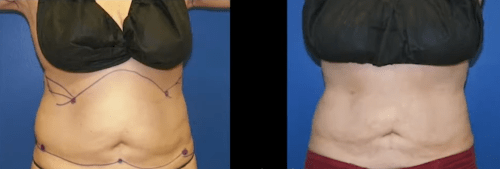
Is Liposuction Safe?
If you’re considering body contouring, one of the first questions you’ll likely ask is:
Is liposuction safe?
It’s a question worth taking seriously, and the good news is that you don’t have to just take a provider’s word for it. Liposuction is one of the most heavily studied cosmetic procedures in the world, which means the answer can be backed by real data rather than reassurance alone.
The short answer is yes. Liposuction is generally considered a safe procedure when performed by a qualified, experienced provider on an appropriate candidate, and the published research supports that. Like any medical procedure, it does carry risks, which is exactly why choosing the right provider and having a thorough consultation matter as much as they do.
Is Liposuction Dangerous? What the Data Actually Shows
Many people search “is liposuction dangerous” because they want a real number, not just a vague reassurance.
Here’s what the research shows:
A study published by the American Society of Plastic Surgeons, drawn from outcomes data on more than 4,500 liposuction patients, found an overall complication rate of just 1.5 percent, with major complications occurring in fewer than 1 in 1,000 patients and no reported deaths in the dataset. The most common complication by far was a fluid collection called a seroma, which typically just requires simple drainage.
A separate, larger national analysis reviewed complications across 246,119 liposuction procedures performed at accredited outpatient surgical facilities. It found a confirmed complication rate of 0.4 percent and a mortality rate of roughly 0.009 percent, or about 1 in 11,700 procedures. Among the small number of patients who did experience a complication, the most common issues were an unplanned trip to the emergency department, wound-related issues, and blood clots, with higher BMI being one of the clearest risk factors identified.
For context, that liposuction mortality rate is in a similar range to the risk associated with general anesthesia itself, and lower than the mortality risk associated with an abdominoplasty (tummy tuck). It’s also worth noting that liposuction remains the most commonly performed cosmetic surgical procedure in the country, with hundreds of thousands of procedures performed each year, which is part of why the safety data on it is so robust compared to newer or less common procedures.
The likelihood of complications for any individual patient still depends on several factors, including:
Your overall health The amount of fat being removed The treatment areas Your provider’s experience Following your post-operative instructions
For healthy patients treated by an experienced provider, the published data supports what plastic surgeons see clinically: liposuction is a low-risk, well-tolerated procedure.
What Makes Liposuction Safe?
Several factors consistently show up in the research as the biggest drivers of a safe liposuction experience.
Proper Patient Selection
Not everyone is an ideal candidate for liposuction. Research on complication rates consistently identifies higher BMI as one of the clearest risk factors for complications, which is part of why your consultation matters so much.
During your consultation, your provider will review your medical history, evaluate your goals, and determine whether liposuction is the right treatment for you, including whether the amount of fat you’re hoping to remove falls within a safe volume range for your body type.
An Experienced Provider
Choosing a qualified provider is one of the most important decisions you’ll make. Surgical literature consistently points to surgeon experience as a meaningful safety factor, since higher-volume, board-certified providers tend to have better technique, better patient selection judgment, and better recognition and management of complications if they arise.
An experienced physician understands proper surgical technique, patient safety protocols, and how to achieve natural-looking body contours while minimizing risk.
Following Recovery Instructions
Recovery plays an important role in achieving both safe healing and optimal cosmetic results.
Following your provider’s instructions before and after surgery helps reduce the risk of complications like blood clots and wound issues, and supports proper healing.
Who Is a Good Candidate for Liposuction?
Liposuction is designed for people looking to remove stubborn fat that has not responded to diet and exercise.
Good candidates typically:
Are in good general health Have a BMI within a safe treatment range, as determined by their provider Have realistic expectations Want to improve body contours Have localized areas of unwanted fat
Liposuction is not intended as a weight-loss procedure or a substitute for healthy lifestyle habits.
What Areas Can Liposuction Treat?
Liposuction can be used on many areas of the body, including:
Abdomen Flanks (love handles) Thighs Hips Buttocks Arms Chin and neck Back
Treatment is customized based on each patient’s goals, body shape, and the safe volume of fat that can be removed from each area.
What Are the Benefits of Liposuction?
Many patients choose liposuction because it can meaningfully improve body proportions by removing localized fat deposits that diet and exercise haven’t touched.
Potential benefits include:
Improved body contours Better-fitting clothing Enhanced confidence Long-lasting fat reduction when a stable weight is maintained
For many people, liposuction helps address areas that remain resistant despite consistent exercise and healthy eating, which is often the exact frustration that brings patients in for a consultation in the first place.
Are Liposuction Results Permanent?
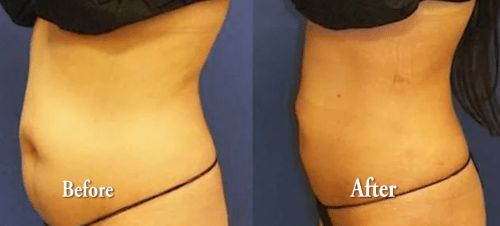
The fat cells removed during liposuction are permanently removed from the treated area.
However, maintaining your results depends on maintaining a healthy lifestyle. Future weight gain can still enlarge the fat cells that remain in both treated and untreated areas, which is why regular exercise and balanced nutrition remain important after surgery.
What Are the Risks of Liposuction?
Like every surgical procedure, liposuction has potential risks. Based on the data above, most of these are uncommon, but it’s still important to understand them clearly.
These may include:
Bleeding Infection Swelling and bruising Temporary numbness Irregular contours Fluid collection (seroma) Blood clots Reactions related to anesthesia
Your provider will discuss these risks during your consultation, review your individual risk factors, and explain how they’re minimized through careful planning, appropriate volume limits, and proper surgical technique.
How Long Is Recovery?
Recovery varies depending on the treatment area and the amount of fat removed.
Many patients return to light daily activities within several days, while more strenuous exercise is usually resumed after their provider confirms it’s appropriate, typically within a few weeks.
Swelling gradually improves over the weeks following surgery, and your final body contour becomes more visible as healing progresses and any residual swelling resolves.
Frequently Asked Questions
Is liposuction safe?
Yes. Published data from plastic surgery outcomes studies shows complication rates as low as 0.4 to 1.5 percent and mortality rates around 1 in 11,700 procedures, comparable to the risk of general anesthesia itself. Liposuction is generally considered safe when performed by an experienced provider on an appropriate candidate, though any surgery carries some risk that should be discussed during your consultation.
Is liposuction dangerous?
Liposuction is a surgical procedure, so it does carry potential risks, but large-scale outcomes data shows serious complications are uncommon. Choosing a qualified provider, following recovery instructions, and being an appropriate candidate all contribute to a safer experience.
Is liposuction permanent?
The fat cells removed during liposuction are permanently removed. Maintaining a stable weight helps preserve your results over the long term, since remaining fat cells can still expand with future weight gain.
Is liposuction a weight-loss procedure?
No. Liposuction is intended for body contouring and removing localized fat deposits, not for significant weight loss, and is not a substitute for diet and exercise.
Who should avoid liposuction?
Your provider will determine whether liposuction is appropriate based on your medical history, overall health, BMI, and cosmetic goals, since these factors are directly linked to complication risk in published research.
Considering Liposuction in The Woodlands?
If you’re wondering whether liposuction is the right choice for you, the best place to start is with a personalized consultation.
At Vedas Medical Spa & Wellness Center, we’ll evaluate your goals, answer your questions, walk you through the real benefits and risks based on your individual health profile, and recommend the treatment option that best fits your needs.
Call us today at (281) 730-5756 to schedule your consultation, or visit us at:
Vedas Medical Spa & Wellness Center 2626 Research Forest Dr The Woodlands, TX 77381
Let us help you determine whether liposuction is the safest and most effective option for achieving your body contouring goals.